Gardeners Chelsea: Recycling and Sustainability
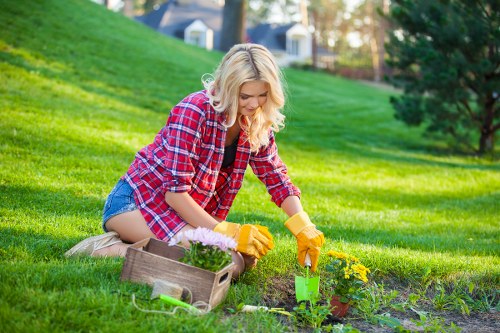 At Gardeners Chelsea we prioritise an eco-friendly waste disposal area that supports both neighbourhood gardening and broader environmental goals. Our sustainable rubbish gardening area is designed to be practical for everyday maintenance and powerful in reducing landfill. We combine hands-on composting, careful sorting and local partnerships to make sure soil, plants and community resources are returned to their highest-value use. This page outlines our targets, local logistics, and the ways we partner to keep Chelsea green.
We have set an ambitious recycling percentage target: a borough-focused aim of 65% household recycling by 2030 for garden-related and domestic materials handled through our schemes. This recycling target covers green waste, paper and cardboard, clean plastics, glass and small metal items from gardening activities. The target is driven by both our internal waste audit and collaboration with municipal policy so that the eco-friendly waste collection areas we run feed seamlessly into council systems and regional waste transfer networks.
 The Royal Borough's approach to waste separation is one we reflect in our operations: clear kerbside bins for compostable garden refuse, mixed recycling containers for dry recyclables, and a dedicated zone for specialist items such as wood, bulky plant pots and soil sacks. We support the borough's separation guidance by offering signage, on-site staff oversight and seasonal sorting days that make it easy for volunteers and clients to comply. Separation at source reduces contamination and increases the value of materials passed to processing facilities.
Local transfer stations and resource flows
Our eco-friendly waste disposal area is linked to local transfer stations and civic amenity sites across Kensington and neighbouring boroughs. Gardeners Chelsea uses authorised transfer points and civic recycling centres to ensure green waste goes to municipal composting or anaerobic digestion, while recyclables reach material recovery facilities. We emphasise traceable flows so that compostable garden waste becomes soil improver and recyclable packaging is reclaimed rather than incinerated.
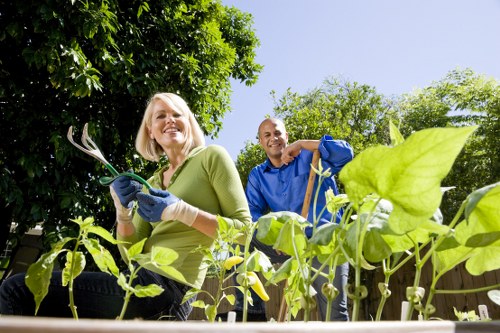 In practice this means a regular schedule of collections and drop-offs, streamlined with council transfer timetables. Our low-carbon vans collect sorted materials and deliver them to the nearest certified transfer station, where fleet records and delivery notes support a transparent recycling chain. To further reduce embodied emissions we prioritise local processing sites and avoid long-haul transfers whenever a suitable option is available.
We also encourage reuse and circular approaches within our sustainable rubbish gardening area. Typical activities include:
- Composting and leaf mould production for use in community beds and client plots.
- Plant pot reuse and cleaning stations to keep terracotta and plastic pots in circulation.
- Donations of surplus topsoil and bark to approved community projects and charities.
Partnerships, low-carbon transport and community reuse
Partnerships with local charities and social enterprises are central to our sustainable rubbish gardening area. We collaborate with food redistribution groups, horticultural charities and reuse organisations to move viable materials and plants out of the waste stream and into community benefit. Through these partnerships we support plant rescues, seed exchanges and redistribution of healthy compost, enabling a circular approach across Chelsea and nearby neighbourhoods.
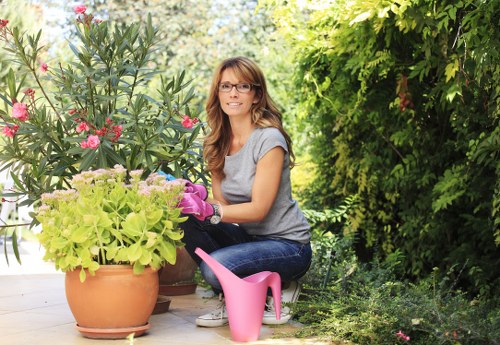 To make our eco-friendly waste disposal area genuinely low-impact we operate a fleet of low-carbon vans. These are a mix of electric and hybrid vehicles chosen for urban efficiency and reduced emissions. Route optimisation software and consolidated collections reduce mileage, while charging is scheduled to use off-peak electricity where possible. The result is a smaller carbon footprint for every tonne of garden waste we divert from landfill.
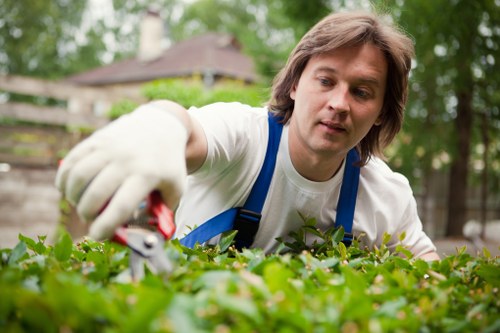 Accountability is built into everything we do: we publish annual recycling metrics, monitor contamination rates and report progress toward our recycling percentage target. Our staff receive training in waste separation consistent with borough guidance, and we run community workshops (not guides) that explain why separating food waste, green waste and recyclables at source matters. Transparency and continuous improvement keep Gardeners Chelsea moving toward a more sustainable future.
Beyond the technical systems, our approach to a sustainable gardening rubbish area is cultural. We encourage clients, volunteers and neighbouring households to adopt small daily habits—rinsing containers, flattening cardboard, keeping soil out of dry recycling—to reduce contamination and increase recycling efficiency. Small behaviour changes compound: cleaner recycling loads mean higher recovery rates at material facilities and better-quality compost for reuse.
Our recycling and sustainability program also includes seasonal initiatives such as winter hedge trimmings collection, spring mulch redistribution and a summer plant-swap network run in collaboration with local charities. These activities reduce bulk waste, support biodiversity and make the local green economy more resilient. By connecting an eco-friendly waste disposal area with a vibrant reuse network we keep materials circulating within the community.
Gardeners Chelsea remains committed to measurable, practical steps: meeting our recycling percentage target, coordinating with local transfer stations, strengthening partnerships with charities, and maintaining a fleet of low-carbon vans. Together these elements create a sustainable rubbish gardening area that supports urban greening, reduces landfill and contributes to a low-carbon, circular future for Chelsea.

