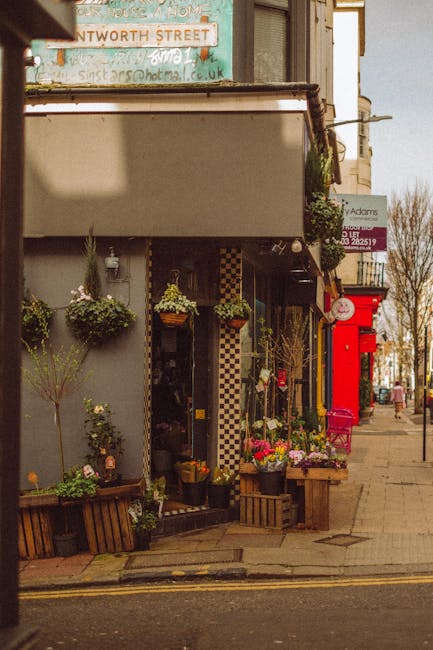
Kings Road Chelsea gardeners shopfront planting and kerb appeal
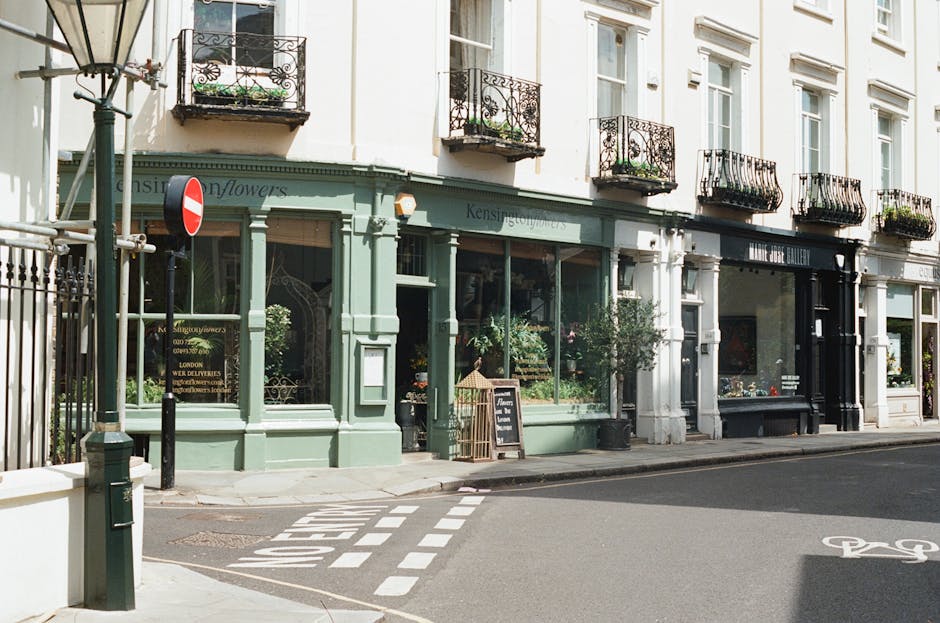
Walk along King's Road on a bright Chelsea morning and you can feel the difference a well-kept frontage makes. One shop looks crisp and inviting, another feels tired before you even step inside. That first impression matters more than most businesses like to admit. Kings Road Chelsea gardeners shopfront planting and kerb appeal is really about shaping that moment: the neatness, colour, scent, structure, and confidence your entrance gives off from the pavement.
For independent shops, cafes, clinics, galleries, and hospitality spaces, frontage planting is not decorative fluff. It is part of the customer experience. It can soften hard building lines, frame the entrance, and make a business feel cared for. And yes, a good frontage can make people slow down. Sometimes that is all it takes. This guide explains how it works, what to plant, what to avoid, and how to get a result that suits Chelsea's smarter streets without looking fussy or overdone.
Why Kings Road Chelsea gardeners shopfront planting and kerb appeal matters
Kings Road has a particular rhythm. It is busy, elegant, and highly visual. People are moving, browsing, comparing, and making snap judgements all day long. In that setting, frontage planting does more than "look nice". It signals order, taste, and attention to detail. That is why shopfront planting and kerb appeal matter so much in Chelsea.
Let's be honest: many frontages are judged before a customer has even read the sign. If the doorway feels unwelcoming, if the pots are dusty, if the planting is sparse, the whole business can feel a bit undercooked. On the other hand, a clean arrangement of evergreen structure, seasonal colour, and well-chosen containers can make a narrow pavement frontage feel premium rather than crowded.
For businesses near King's Road, the stakes are a little higher because the local visual standard is high. Customers expect polish. Staff and regulars notice when the frontage is looked after. Even delivery drivers and passers-by absorb the impression. A front garden or shop entrance is, in effect, part of your brand language.
There is also a practical side. Thoughtful planting can guide footfall, soften the impact of wind and reflected heat, help a narrow entrance feel less stark, and create a clear transition from street to interior. That transition matters. It can make a small space feel intentional rather than cramped.
Key takeaway: the best frontage planting in Chelsea is not simply decorative. It is tidy, resilient, brand-aware, and designed to work hard in a busy street environment.
How Kings Road Chelsea gardeners shopfront planting and kerb appeal works
Shopfront planting works best when it is treated as a design system, not a pile of plants in a pot. A good gardener or planting team starts with the frontage itself: width, pavement constraints, sun exposure, wind, access, shade from neighbouring buildings, and the style of the property. A Georgian townhouse frontage needs a different feel from a contemporary retail unit. That sounds obvious, but it is often where projects go wrong.
The process usually begins with a visual audit. What does the entrance look like from across the street? What do people see first? What feels blank, cluttered, or unbalanced? You then think about how the planting should behave through the year. In Chelsea, that means planning for winter structure, spring freshness, summer fullness, and autumn reliability. A frontage that only looks good for six weeks is, frankly, a bit disappointing.
Good shopfront planting often combines three layers:
- Structural planting - evergreen shrubs, topiary, small trees, or architectural grasses that keep shape.
- Seasonal planting - flowers and foliage that change the mood across the year.
- Container and maintenance planning - pots, irrigation, feeding, pruning, and replacement cycles.
The kerb appeal part is about presentation from the street. That means matching plant choice to frontage scale, keeping containers clean and stable, avoiding a cluttered look, and making sure the planting supports the entrance rather than hiding it. A common mistake is to treat every available space as a planting opportunity. Sometimes restraint is the better design choice. More pots is not always more charm. A little discipline goes a long way.
In practical terms, a good Chelsea frontage tends to use robust planting that can handle urban dust, occasional neglect, and changing light. If you are considering a wider garden transformation behind the shopfront as well, it may help to review broader landscape gardening options so the entrance and the rest of the site feel visually connected.
Key benefits and practical advantages
The obvious benefit is visual appeal, but there is more to it than that. Strong frontage planting can improve how a business feels to customers, staff, and nearby residents. It can also support repeat custom. People remember a frontage that feels pleasant and considered. They may not consciously say "that planting was excellent", but they do remember the atmosphere. Funny how that works.
Here are the most useful advantages:
- Better first impressions - a cared-for frontage suggests a cared-for business.
- Clearer brand identity - planting can echo your colour palette, tone, and style.
- Improved street presence - the shop becomes easier to notice without shouting for attention.
- More welcoming entrance - a softened threshold can make a customer feel at ease.
- Seasonal renewal - the frontage can be refreshed without a full redesign.
- Better perception of value - a polished exterior often supports a premium feel inside.
There is also a quieter benefit: frontage planting can reduce the sense that a property is "between states". Empty or untidy pots, bare borders, and tired box plants can make a place feel stuck. A maintained scheme gives the opposite impression. It suggests rhythm, care, and attention.
For businesses with tighter pavement space or a small frontage, the right planting approach can make the entrance look fuller without making it busy. If that is your situation, it may be worth looking at ideas developed for compact spaces, including the advice in Kings Road Chelsea gardeners for small courtyards, because small-space thinking often transfers well to frontage work.
Who this is for and when it makes sense
This kind of planting is useful for far more than one type of property. It suits businesses and property owners who want the outside to reflect the quality inside. If that sounds like you, you are in the right place.
It makes sense for:
- independent shops and boutiques
- cafes, bakeries, and restaurants
- salons, clinics, and wellness spaces
- small offices or reception-led premises
- mixed-use buildings with visible entrances
- residential properties where the street-facing frontage matters
It is especially useful when the frontage currently feels plain, neglected, or mismatched with the quality of the brand. Sometimes the building itself is handsome, but the threshold does no favours. Sometimes the issue is simple: the pots are too small, the planting is tired, or the arrangement feels accidental. That is fixable.
It also makes sense before key trading periods. A shop may want a refreshed look ahead of a seasonal campaign, a reopening, a relaunch, or simply the start of spring. We often see businesses waiting too long, then wondering why customers are not noticing the change they hoped for. Truth be told, the front door is not always forgiving.
If the frontage needs routine care rather than a full redesign, you may want to pair planting improvements with ongoing garden maintenance so the look stays sharp instead of slipping after a few good weeks.
Step-by-step guidance
Here is a practical way to approach a frontage planting project without overcomplicating it. You do not need a huge scheme to make a difference. You do need a clear plan.
- Assess the frontage from the pavement. Stand across the road and look at the entrance as a customer would. What is the first thing the eye lands on? What feels empty, awkward, or crowded?
- Measure the usable space. Note the width of the entrance, any steps, thresholds, blind spots, and areas that need to stay clear for access.
- Work out light and exposure. North-facing shade, direct afternoon sun, reflected heat from glass, and wind tunnels all affect plant choice.
- Choose a style direction. Soft and romantic? Clean and architectural? Bold and high-contrast? The planting should suit the building and brand, not fight them.
- Select a reliable plant mix. Use a foundation of strong performers, then add seasonal interest around them. Don't build everything on delicate plants that sulk at the first hint of stress.
- Choose containers carefully. Pot size, colour, material, and drainage all matter. A cheap container can undermine even excellent planting.
- Plan maintenance from day one. Decide how often watering, feeding, deadheading, and tidy-up work will happen. Frontages fail most often because maintenance was treated as an afterthought.
- Review the final sightline. Check that signage remains visible, the doorway is obvious, and the planting frames rather than hides the business.
A good rule of thumb: if you have to keep stepping back to work out whether it looks right, the composition probably needs simplifying. Good kerb appeal usually reads well in seconds.
For some properties, especially those with harder surfaces or a more contemporary frontage, combining planting with other upgrades can help the whole street-facing area feel more coherent. If the entrance zone needs more than greenery, you might compare it with broader landscaping support so hard and soft elements work together.
Expert tips for better results
There are plenty of small decisions that make a frontage look polished rather than overworked. These are the bits clients often miss at first. Then they see the difference and say, "Ah, right, that's what was missing."
- Use repetition with restraint. Two or three matching containers often look smarter than a random mix.
- Think in height layers. A mix of low, mid, and taller plants creates depth without clutter.
- Choose plants with structure. Evergreen form helps the frontage stay composed in winter.
- Keep sightlines open. Customers should see where to enter without hunting for the door.
- Match the frontage to the building. A classic Chelsea facade usually suits quieter, more refined planting.
- Make watering realistic. If the setup is hard to maintain, it will fail. Simple as that.
- Refresh before things look tired. Waiting until a display is already faded is a false economy.
A small sensory detail people often overlook: healthy frontage planting smells clean and alive. Fresh compost, damp soil after watering, clipped leaves, a hint of jasmine or herbs. It gives the entrance a lived-in, cared-for atmosphere. Not theatrical. Just pleasant. And in a busy London street, that goes a long way.
If the frontage includes planted trees or larger shrubs, maintenance needs to be more careful. In some cases, tree work or reduction may be part of the plan, and it should be handled responsibly. If that is relevant, a service such as tree lopping and removal may need to be considered alongside the softer planting design, especially where access, shade, or root pressure affects the entrance.
Common mistakes to avoid
Most frontage problems are not dramatic. They are the cumulative result of little things left unchecked. That is why they are so annoying. The good news is that they are usually avoidable.
- Choosing plants only for looks. If they cannot cope with the site, the display will collapse quickly.
- Using pots that are too small. Small containers dry out fast and look flimsy on a wide frontage.
- Overcrowding the entrance. Too many pots can make the doorway feel blocked or chaotic.
- Ignoring seasonality. A scheme that only works in June is not really a scheme.
- Forgetting maintenance access. If people cannot water, prune, or replace plants easily, standards slide.
- Letting signage compete with planting. The greenery should frame the business, not bury it.
- Keeping damaged or tired plants too long. One sad-looking container can drag down the whole frontage.
Another mistake is assuming the same design works for every frontage. It doesn't. A cramped entrance on a busy part of Kings Road needs a different approach from a wider, more recessed shopfront. There is no shame in being selective. In fact, that is usually the smarter move.
If you are already dealing with clutter, broken hard landscaping, or a neglected outdoor area, a deeper tidy-up may be the better first step. That is where garden clearance can be useful before any decorative planting goes in. Clean base, better result. It really is that simple.
Tools, resources and recommendations
You do not need a shed full of specialist kit to keep a frontage looking good, but you do need the right basics. A well-run shopfront planting scheme is surprisingly practical. The glamour part gets all the attention, but the maintenance tools are what keep it alive.
Useful tools and resources include:
- watering cans or a reliable irrigation setup
- hand pruners and snips for deadheading and shaping
- quality compost and slow-release feed
- stable containers with proper drainage
- mulch to reduce drying out
- replacement stock for gaps and seasonal refreshes
- a simple maintenance calendar
For businesses that prefer a full-service approach, it helps to look at the wider range of work available through the services overview. That makes it easier to align planting, maintenance, lawn care, hedge work, and more without juggling different providers for every little task.
Some sites also benefit from practical additions like tidy decking edges or raised platforms that help define the entrance area. If that sounds relevant, decking services may be worth considering as part of a broader frontage improvement. Not every shopfront needs it, of course. But where a threshold needs shaping, it can help.
And if your frontage needs a very regular tidy-up to stay sharp through the season, it may help to compare service packages and pricing and quotes before committing. That way, expectations stay clear from the start.
Law, compliance, standards, or best practice
With shopfront planting, compliance is usually less about flashy regulations and more about sensible, local-minded practice. In Chelsea and across London, the practical concerns are access, safety, cleanliness, and keeping the public realm usable. If pots, planters, or display features are placed too far out, they can create trip hazards or obstruct movement. That is not something to be casual about.
Businesses should also think carefully about how planting affects visibility, emergency access, and routine cleaning. A frontage should not make it harder for people to enter, exit, or pass by safely. If water from irrigation spills across a pavement, that can create avoidable mess and risk. No one wants that. It looks careless too.
Best practice usually includes:
- keeping access routes clear
- using stable, non-toppling containers
- checking that planting does not hide signage or door hardware
- maintaining tidy edges and swept surroundings
- choosing materials that will not become hazardous when wet or windy
Where a frontage is part of a managed commercial property, it is also sensible to check landlord or building rules before making changes. And if the project involves staff, contractors, or routine maintenance visits, you will want sensible safety planning. For a straightforward overview of how a provider approaches safe working, the health and safety policy and insurance and safety information can be useful to review.
One more thing. If the scheme uses compost, packaging, or regular plant replacement, sustainability should not be an afterthought. Responsible disposal and sensible material choices matter, especially in a high-footfall area where the frontage is seen every day. A practical approach to recycling and sustainability is not just good manners; it supports a more professional overall service.
Options, methods, or comparison table
There are several ways to approach frontage planting. The right one depends on budget, maintenance capacity, and the look you want to achieve. Sometimes a simple, disciplined arrangement is better than a large, elaborate display. Sometimes it is the other way around. It depends on the building.
| Approach | Best for | Strengths | Watch-outs |
|---|---|---|---|
| Minimal container planting | Small entrances, crisp modern frontages | Clean, elegant, easy to read from the street | Can feel sparse if containers are too few or too small |
| Structured evergreen scheme | Premium shopfronts and year-round presence | Reliable shape, strong winter appearance | Needs careful pruning and seasonal refreshes |
| Seasonal colour rotation | Businesses wanting regular visual change | Fresh, lively, adaptable to campaigns | Requires more maintenance and replacement planning |
| Mixed soft landscaping and hard features | Wider frontages or multi-use entrances | Can look highly polished and layered | Can become cluttered if not designed carefully |
In practice, many of the best results combine methods. A few evergreen anchors, seasonal highlights, and one or two strong containers is often enough. There is no prize for filling every available square foot.
Case study or real-world example
Here is a realistic example based on the kind of frontage challenges common on King's Road. A small retail unit had a decent sign, a good interior, and a frontage that simply did not do the business justice. The entrance looked flat from the pavement. There were two tired planters, both a bit too small, and they had become patchy over time. The overall effect was neat enough, but not memorable.
The solution was not dramatic. It was disciplined.
First, the old containers were removed and the area was cleared properly. Then the design shifted to three more substantial planters arranged to frame the entrance rather than crowd it. Evergreen structure gave the frontage year-round shape, while a lighter seasonal layer added softness and colour. The planting palette was kept restrained so the shop sign stayed visible.
What changed most was the feeling from the street. The frontage looked intentional. Customers could see the entrance more easily, and the whole place felt more settled. The business did not suddenly become different, of course. But its outward presentation became more aligned with the quality of the service inside. That matters. People notice alignment. Even if they never say it out loud.
In some cases, the first step is not new planting at all but a better management plan. If a frontage is difficult to keep tidy because of overgrowth, drainage issues, or clutter around the perimeter, a maintenance-led approach can be more effective than a total redesign. That is where regular lawn mowing and hedge trimming can support the broader look if the premises includes visible soft landscaping alongside the shopfront.
Practical checklist
Use this checklist before you sign off a frontage planting plan. It keeps things grounded and saves a lot of faffing later.
- Does the planting suit the building style?
- Can people clearly see the entrance from the pavement?
- Are the containers stable, well-sized, and in good condition?
- Will the scheme still look good in winter, not just spring?
- Is there a realistic watering and maintenance plan?
- Does the design avoid blocking access or signage?
- Are the plants suited to sun, shade, and wind exposure?
- Will the frontage still feel balanced from a distance?
- Is there a clear plan for replacing tired plants?
- Does the final result feel like the business, not just "some plants"?
If you can answer yes to most of those, you are in good shape. If not, it may be worth stepping back and simplifying the plan a little. Sometimes the best solution is the one that looks almost effortless.
Get a free quote today and see how much you can save.
Conclusion
Kings Road Chelsea gardeners shopfront planting and kerb appeal is really about making a business feel as polished outside as it is inside. The best schemes are not flashy. They are calm, well-proportioned, and easy to maintain. They give the street something pleasant to notice without making a fuss about it. That is the sweet spot.
If you are weighing up where to start, begin with the view from the pavement. Ask yourself what the frontage says before a person has even reached the door. Then shape the planting so it answers that question with confidence. A little structure, a little colour, and a lot of consistency can change the whole mood. And once it is right, you will know. You really will.
Small frontage changes can have a surprisingly big effect, and in a place like Chelsea, that quiet improvement often speaks louder than anything else.
Frequently Asked Questions
What does shopfront planting actually mean?
It means using plants, containers, and simple garden design to improve the look of a business entrance or retail frontage. The aim is to make the exterior feel more welcoming, tidy, and visually strong.
Why is kerb appeal so important on Kings Road?
Kings Road is a highly visible, style-conscious street where people form quick first impressions. A neat, attractive frontage can make a business look more established and inviting almost immediately.
Which plants work best for Chelsea shopfronts?
Reliable evergreen structure, tidy shrubs, resilient seasonal plants, and compact species that suit the available light are usually the best starting point. The final choice depends on the frontage size and exposure.
Do I need large planters to make a difference?
Not always. Larger planters can help on wider frontages, but a small space may look better with fewer, well-chosen containers. Proportion matters more than size alone.
How often should frontage planting be maintained?
That depends on the plant mix and exposure, but regular checks are essential. Watering, tidying, and replacing tired plants should be planned from the start, not left until the display looks flat.
Can frontage planting help my business look more premium?
Yes. A carefully maintained frontage often makes a business feel more polished and considered. It supports the overall brand image, especially where the interior already has a higher-end feel.
What is the biggest mistake businesses make?
The most common mistake is choosing plants or containers that look good only briefly, then become hard to maintain. Another big one is overcrowding the entrance and making the frontage feel confused.
Is there a difference between shopfront planting and general garden maintenance?
Yes. Shopfront planting is more about presentation, brand alignment, and public-facing kerb appeal. General garden maintenance is broader and may include lawns, hedges, beds, and ongoing care across the whole site.
Do I need permission for planters or frontage features?
That can depend on the property, local rules, and whether anything affects public access or the pavement. It is wise to check building or landlord requirements before installing anything permanent or bulky.
How do I keep a frontage looking good through winter?
Use evergreen structure, robust containers, and plants that hold shape in colder months. Winter appeal often depends on good structure rather than lots of colour, so keep the design simple and tidy.
Should I choose seasonal flowers or evergreen plants?
Usually a mix works best. Evergreen planting provides shape all year, while seasonal plants give freshness and change. Relying on only one of those often leaves the frontage feeling incomplete.
Where should I start if my frontage looks tired?
Start by clearing away clutter, replacing damaged containers, and assessing the light and space properly. If the area needs a more substantial reset, a clearance or maintenance-first approach is often the smartest first move.