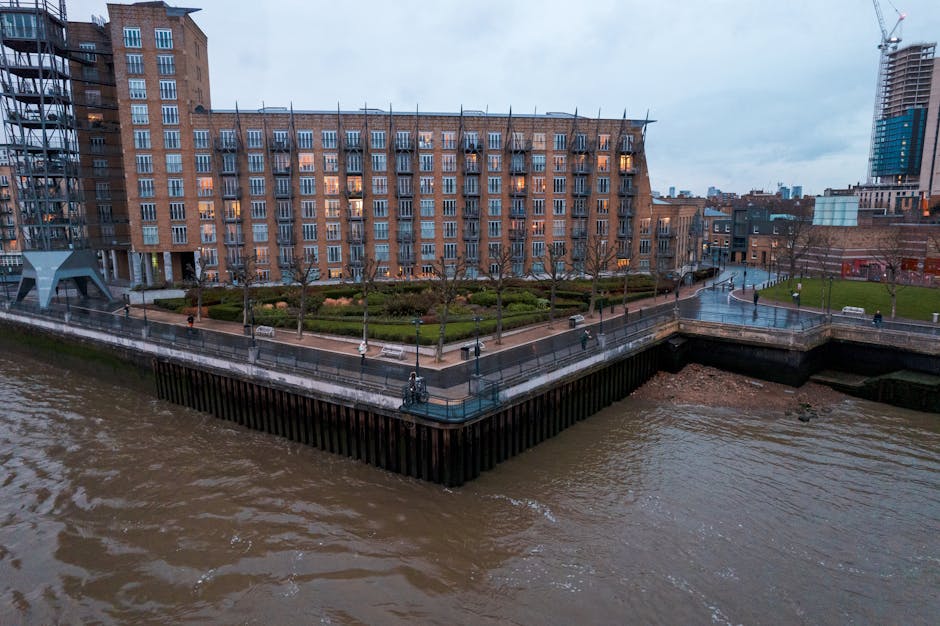
Chelsea Harbour garden care for riverside apartments: a practical guide to polished waterfront outdoor spaces
Chelsea Harbour garden care for riverside apartments is a very specific kind of upkeep. You are not just maintaining plants; you are protecting a compact, exposed outdoor space that has to look calm, elegant, and easy to live with in a riverside setting. Salt-laced winds, shaded terraces, reflective light off the water, and the realities of apartment living all shape what works and what does not.
If you have a balcony, terrace, winter garden, or shared courtyard area in Chelsea Harbour, the needs are a little different from a standard London garden. Plants dry out faster in breezier spots, decking and hard surfaces collect grime, and small design mistakes can make an already tight space feel cluttered. The good news? With the right approach, these spaces can stay beautiful without becoming a constant chore.
This guide explains how Chelsea Harbour garden care for riverside apartments works, who it is for, what to prioritise, and how to avoid the everyday mistakes that make waterfront planting harder than it needs to be. A bit of structure goes a long way here. Truth be told, most apartment outdoor spaces are not failing because they are too small; they are failing because they are being treated like they have unlimited room and unlimited time.
Table of Contents
- Why Chelsea Harbour garden care for riverside apartments matters
- How Chelsea Harbour garden care for riverside apartments works
- Key benefits and practical advantages
- Who this is for and when it makes sense
- Step-by-step guidance
- Expert tips for better results
- Common mistakes to avoid
- Tools, resources and recommendations
- Law, compliance, standards, and best practice
- Options, methods, and comparison table
- Case study or real-world example
- Practical checklist
- Conclusion
- Frequently asked questions
Why Chelsea Harbour garden care for riverside apartments matters
Riverside apartments in Chelsea Harbour have a distinctive feel: smart architecture, close views, clean lines, and outdoor spaces that are often visible from inside the flat all day long. That means the planting and maintenance are not a side issue. They are part of the home's atmosphere.
When garden care is neglected in a riverside apartment setting, the problems tend to show quickly. Leaves blow into corners, pots lose moisture faster than expected, moss can build up on paving, and tired planting can make the whole space look unloved. In a smaller outdoor area, every detail is on display. One overgrown planter is enough to change the mood of the whole terrace.
There is also a practical side. Well-planned maintenance reduces slip risks on wet surfaces, keeps irrigation working properly, and helps containers survive through windy spells. In a waterfront environment, the maintenance rhythm matters more than dramatic seasonal makeovers. Small, regular interventions usually beat big occasional tidy-ups.
Another reason it matters is resident confidence. Many apartment owners and tenants want an outdoor space they can enjoy without worrying about dead plants, blocked drains, or a terrace that looks messy by midweek. A well-kept space makes coming home feel a bit more restful. That sounds simple, but it really does make a difference.
Expert summary: Riverside apartment garden care works best when it is regular, weather-aware, and designed for small spaces rather than treated like a full ground-level garden.
How Chelsea Harbour garden care for riverside apartments works
Good maintenance in this setting usually starts with three things: understanding the space, understanding the exposure, and choosing the right routine. A terrace facing the water behaves differently from a sheltered courtyard. So does a balcony with strong afternoon sun compared with one that sits in shade most of the day.
The care plan normally includes plant checks, watering routines, surface cleaning, pruning, feeding, and seasonal refreshes. If the apartment has decking, timber edging, or built-in planters, those elements need their own care schedule too. It is rarely just "water the pots and leave it there".
In practical terms, a typical service might involve:
- checking plant health and soil moisture
- removing spent flowers and damaged growth
- trimming back anything that has become straggly or uneven
- cleaning hard surfaces and clearing leaf litter
- refreshing compost or mulch where needed
- adjusting plant placement for light, wind, or privacy
- spotting drainage or staining issues early
The best outcomes come from consistent observation. A plant that starts to lean, yellow, or crisp at the edges is often giving you early warning of wind damage, poor root space, or inconsistent watering. Catching that early is easier, cheaper, and less frustrating than trying to rescue a terrace full of tired pots later on.
If your space includes structural elements like fencing, edging, or timber platforms, related work may fall under broader upkeep such as garden maintenance or, where timber needs refreshing, decking services. On the bigger end of the scale, a wider refresh may also sit within landscaping or landscape gardening, depending on the layout and ambitions of the space.
Key benefits and practical advantages
The benefits of steady garden care in Chelsea Harbour go well beyond making things look neat. That is part of it, yes, but not the whole picture.
1. A better-looking home, every day
Apartment terraces are often seen from the lounge, kitchen, or bedroom, so the view matters daily. A crisp planter edge, healthy foliage, and clean surfaces make the whole place feel brighter and more considered.
2. Lower stress and less weekend catch-up
Most people in apartment living do not want to spend precious free time chasing dead leaves around a balcony. Regular care prevents little jobs from snowballing. A five-minute issue left for five weeks tends to become a half-day job. Annoying, but true.
3. Better plant survival in exposed conditions
Riverside locations can be surprisingly harsh. Wind desiccates leaves. Sun reflects off glass and water. Rain does not always reach containers evenly. Good care keeps the planting scheme resilient rather than decorative-but-fragile.
4. Safer and cleaner surfaces
Algae, fallen petals, and damp debris can make surfaces slippery, especially around access points. Regular cleaning helps keep walkways, steps, and balconies more usable through the year.
5. Smarter use of space
Apartment outdoor areas benefit from plants that do more than "sit there and look nice". The right mix can provide privacy, soften noise, screen railings, and create structure without crowding the terrace.
For residents who want a broader support package, it can be helpful to review the wider services overview and see how routine care differs from one-off tidy-up work or more extensive improvement projects.
Who this is for and when it makes sense
This kind of care is a strong fit for:
- owners of riverside apartments with balconies or roof terraces
- tenants who want the outdoor space to stay tidy without constant effort
- managing agents responsible for communal planters or shared amenity spaces
- landlords preparing a flat for viewings or new occupancy
- busy professionals who want a polished space but have limited time
It also makes sense after a seasonal change, a renovation, or a spell of bad weather. Waterfront spaces can look fine one week and tired the next, especially if there has been strong wind, heavy rain, or an extended dry period. You notice it quickly, usually the moment you open the doors in the morning and something just feels off.
If your terrace is overgrown, cluttered, or awkwardly planted, you may need a clean-up before maintenance can work properly. That is where garden clearance can be a sensible starting point. If the main issue is recurring upkeep rather than a one-off reset, routine garden maintenance is usually the better choice.
Step-by-step guidance
Here is a practical way to approach Chelsea Harbour garden care for riverside apartments without overcomplicating it.
Step 1: Assess the space honestly
Start by checking how the terrace behaves across the day. Where does the morning sun fall? Where does wind funnel through? Which corners stay damp? Which containers dry out first? This matters more than people think. A plant can be "right" in theory and still fail in the wrong microclimate.
Step 2: Separate soft care from hard care
Soft care means watering, feeding, pruning, and plant replacement. Hard care means cleaning paving, edging, decking, and drainage areas. Both need attention, but not always at the same time. Keeping them separate helps you plan more realistically.
Step 3: Set a maintenance rhythm
For most riverside apartment spaces, the sweet spot is regular light upkeep rather than infrequent heavy work. Weekly or fortnightly checks are often enough for visible improvement, while seasonal reviews help you catch structural changes.
Step 4: Choose plants for conditions, not just looks
There is nothing wrong with wanting a beautiful terrace. Of course not. But the prettiest plant in the nursery is not necessarily the right one for a breezy waterfront balcony. Look for plants that suit containers, cope with exposure, and do not become unmanageable in a small space.
Step 5: Refresh the space seasonally
Spring and early summer usually call for planting, feeding, and shaping. Late summer may need more watering and deadheading. Autumn often needs leaf clearance and structural checks. Winter is about protecting roots and avoiding damage from cold, wet, and wind. Seasonal thinking stops the space becoming patchy and tired.
Step 6: Review what is actually working
After a few months, honest review helps. Which plants thrive? Which ones struggle no matter what? Which areas keep collecting debris? It is far better to edit the space than to keep nursing a layout that simply does not suit the apartment.
Expert tips for better results
Here are the things that make the biggest difference in real life, not just on paper.
- Use heavier containers where wind is a problem. Lightweight pots can move, tip, or dry too quickly.
- Group plants by water need. This makes irrigation simpler and reduces accidental overwatering.
- Leave breathing room. Overcrowding is one of the fastest ways to make a terrace look smaller and harder to care for.
- Prioritise root health. Healthy foliage is useful, but roots decide whether a plant truly lasts.
- Keep drainage visible and clear. Blocked drainage is a nuisance at best and a damage risk at worst.
- Choose a limited palette. Too many plant types in a small apartment setting can look busy rather than elegant.
A little trick we often see work well: repeat the same pot style in different sizes. It creates calm, even if the planting changes seasonally. Simple, but effective. And yes, it saves the eye from doing cartwheels every time you step outside.
For hedging or taller screening elements near communal or private spaces, the care plan may also include hedge trimming to keep lines neat and light flowing through the space properly. If tree canopies or larger branches are affecting light, safety, or views, tree lopping and removal may need to be considered with care and judgement.
Common mistakes to avoid
Most apartment garden problems are not dramatic. They are cumulative. A few small oversights, repeated over time, create the mess.
Using the wrong plants for exposure
Some plants look fantastic for two weeks and then slowly give up in wind or reflected heat. If a terrace faces strong light or river breezes, choose accordingly.
Letting watering become guesswork
Watering by habit rather than by checking the soil leads to both underwatering and overwatering. Containers are not all the same. One pot can be bone dry while the one next to it is still holding moisture.
Ignoring algae and surface build-up
A lovely terrace can start to feel shabby if the paving or decking goes dull, slippery, or stained. Surface care is part of garden care, not an optional extra.
Overfilling small spaces
Too many planters make access awkward and create clutter. You want movement through the space, even if it is compact. If you have to sideways-shuffle just to reach the door, something has gone too far.
Forgetting seasonal change
Some apartment owners keep the same arrangement all year and wonder why it looks tired by late autumn. Plants change, weather changes, and the terrace should change with them. No need to reinvent it every month, but a seasonal reset helps.
Leaving maintenance until it becomes a rescue job
This is the big one. Tired planting, broken pots, blocked drains, and overgrown edges are much easier to solve early. Once everything has declined together, the job becomes more expensive and less satisfying.
Tools, resources and recommendations
You do not need a warehouse of equipment for a good terrace. In fact, the best kit for apartment garden care is usually compact, reliable, and easy to store.
| Item | Why it helps | Best use in riverside apartments |
|---|---|---|
| Hand pruners | Clean, controlled trimming | Deadheading, shaping, and small cuts |
| Watering can or hose with control | Better watering accuracy | Containers, baskets, and new planting |
| Soft broom | Quick debris removal | Terraces, steps, and decking |
| Garden gloves | Protection and grip | Pruning and clearing wet debris |
| Moisture-check method | Prevents overwatering guesswork | All container planting |
| Lightweight feed or compost top-up | Supports strong growth | Seasonal refreshes and tired pots |
For residents who want a more polished result without having to juggle products and schedules themselves, a regular visit from a professional team can keep things consistent. If pricing, scope, or frequency matters to your decision, the page on pricing and quotes is a useful place to understand how work is typically approached before you commit.
It is also worth asking about responsible waste handling and material reuse where applicable. A good maintenance routine should not create unnecessary waste. If sustainability is part of your thinking, the site's recycling and sustainability information can help show the sort of approach you should expect from a conscientious provider.
Law, compliance, standards, and best practice
For riverside apartment garden care, compliance usually matters in a practical sense rather than a dramatic legal one. Still, there are a few areas worth respecting.
First, apartment buildings often have building rules, access arrangements, or management expectations that affect when and how work is carried out. That can include noise timing, lift use, waste removal routes, and permissions for working in communal areas. If you are arranging care for a shared terrace or managed development, it is sensible to check those conditions first rather than assuming access will be straightforward.
Second, health and safety should be taken seriously. Wet surfaces, tools, awkward access, and working near edges are all normal issues in waterfront settings. Best practice includes clear working methods, suitable footwear, careful tool use, and a tidy finish. If you are hiring help, look for evidence that the provider takes this seriously through their health and safety policy and insurance and safety approach.
Third, if the work involves contractors entering a private building, handling waste, or moving through shared areas, professionalism matters. The right team should be respectful, punctual, and discreet. That may sound obvious, but apartment residents know it is not always guaranteed.
Finally, there is the question of transparency. Clear terms, defined scope, and understandable payment arrangements are a sign of a well-run service. For that reason, it is worth reviewing terms and conditions and payment and security information before work begins.
If you want to know more about the people behind the service, the about us page can also be useful for understanding how a company works and what it values.
Options, methods, and comparison table
Not every riverside apartment needs the same level of support. Some spaces just need consistent light maintenance. Others need a redesign, new planting, or a reset after years of patchy care.
| Approach | Best for | Pros | Limitations |
|---|---|---|---|
| Routine maintenance | Established terraces and balconies | Simple, predictable, keeps everything tidy | Won't fix poor layout or tired planting on its own |
| One-off clearance | Overgrown or cluttered spaces | Fast reset, creates breathing room | Needs follow-up care to stay effective |
| Seasonal refresh | Spaces that already work but need a lift | Improves appearance and plant health | May not address structural or access issues |
| Full landscaping or redesign | Problem layouts or major improvements | Can transform usability and style | More planning, usually more cost and disruption |
The right option depends on how the space is used. A private terrace used daily for coffee and evening relaxation needs a different rhythm from a communal planter scheme that mainly needs reliability and consistency. There is no single perfect answer. There is only the right fit for the job.
Case study or real-world example
Picture a Chelsea Harbour apartment terrace in early autumn. The space has good bones: clean paving, a couple of large planters, and a seating area overlooking the water. But by mid-October the planting looks ragged, the surface has collected leaf debris, and one corner has become a damp trap where moss is starting to appear.
The fix is not a dramatic overhaul. A sensible maintenance visit would start with clearing the debris, checking drainage, removing tired growth, and assessing which plants are still performing well. The planters might be topped up with fresh compost, a few plants may be replaced with more suitable varieties, and the whole terrace cleaned so the space feels sharper again.
What changes? The apartment feels brighter. The owner stops avoiding the balcony. The space becomes somewhere to sit with a cup of tea rather than a project that keeps asking for attention. That is the real value of good garden care in a riverside apartment setting. It quietly gives part of your home back to you.
Practical checklist
Use this simple checklist to keep a Chelsea Harbour terrace or balcony on track.
- Check how much sun, shade, and wind the space gets across the day
- Confirm containers have proper drainage
- Remove dead leaves and spent flowers regularly
- Water by checking soil condition rather than guessing
- Trim back plants before they become leggy or overcrowded
- Clean paving, decking, and edges to reduce algae and staining
- Review which plants are thriving and which ones are not
- Refresh compost or feed when growth starts to slow
- Keep access paths clear and safe
- Plan at least one seasonal reset each year
If you are starting from a messy or neglected space, begin with a clearance and then move into maintenance. It is a bit like sorting out a kitchen cupboard before deciding how to organise the shelves. Mess first, system second. Much easier that way.
Conclusion
Chelsea Harbour garden care for riverside apartments is really about making compact outdoor spaces easier to live with, easier to enjoy, and better suited to the realities of waterfront conditions. When the planting suits the exposure, the surfaces stay clean, and the maintenance is regular, the whole apartment feels more complete.
The best results come from simple discipline: choose the right plants, keep the rhythm steady, and do not wait for things to fall apart before acting. That is especially true in riverside settings, where wind, moisture, and visibility can make small issues show up quickly.
Whether you are maintaining a private terrace, refreshing a balcony, or supporting a managed apartment complex, the aim is the same: a space that feels calm, resilient, and genuinely worth stepping out into.
Get a free quote today and see how much you can save.
And if all you do after reading this is look at your terrace a little differently this evening, that is a good start. Sometimes the smallest adjustments make the place feel right again.
Frequently Asked Questions
What makes Chelsea Harbour garden care different from standard garden maintenance?
It is usually more exposed, more compact, and more design-sensitive. Riverside apartment spaces need care that accounts for wind, drainage, containers, and limited room rather than open-ground gardening habits.
How often should a riverside apartment terrace be maintained?
Most spaces benefit from light regular checks, often weekly or fortnightly, with seasonal reviews for planting, cleaning, and structural details. The exact rhythm depends on exposure and how heavily the space is used.
Can balcony or terrace plants survive the wind near the water?
Yes, but the planting choice matters a lot. Stronger, container-friendly plants and heavier pots tend to cope better. Matching the plant to the site is half the battle.
Do I need professional help for a small apartment garden?
Not always, but professional help can be worthwhile if the space is exposed, hard to access, or already in poor shape. Small spaces still need good judgement, and sometimes that is the hardest part.
What are the most common problems in riverside apartment gardens?
Drying out, wind damage, clutter, algae on surfaces, and tired planting are the big ones. Drainage issues and overplanting also show up often in compact settings.
Is garden clearance useful before regular maintenance starts?
Yes. If the space is overgrown or neglected, clearance gives you a clean slate. After that, maintenance can actually work instead of constantly fighting old problems.
Can decking or timber areas be included in garden care?
Absolutely. Decking, edging, and other timber features are part of the overall look and safety of the space, so they often need cleaning, inspection, and occasional repair-focused attention.
How do I know if my plants are wrong for the space?
If they keep drying out, leaning, scorching, or looking weak despite care, they may not suit the light and wind conditions. Sometimes the answer is better maintenance, but sometimes the plant choice is simply off.
What should I ask before hiring someone for apartment garden care?
Ask about maintenance frequency, handling of waste, plant selection, access arrangements, safety practices, and how they manage exposed or compact spaces. Clarity up front saves hassle later.
Are there compliance issues to think about in a managed apartment building?
Often, yes. Building access, noise timings, waste handling, and communal-area rules may all matter. It is sensible to check management expectations before work begins.
What if I only want the terrace to look neat, not redesigned?
That is very common. A focused maintenance plan can keep a terrace neat without a full redesign. Sometimes all a space needs is regular trimming, cleaning, and a few thoughtful plant adjustments.
How do I get started if the space is already messy?
Start with a tidy-up or clearance, then move into a maintenance routine. Trying to maintain a neglected space without resetting it first usually feels like bailing water with a teaspoon. Not ideal.