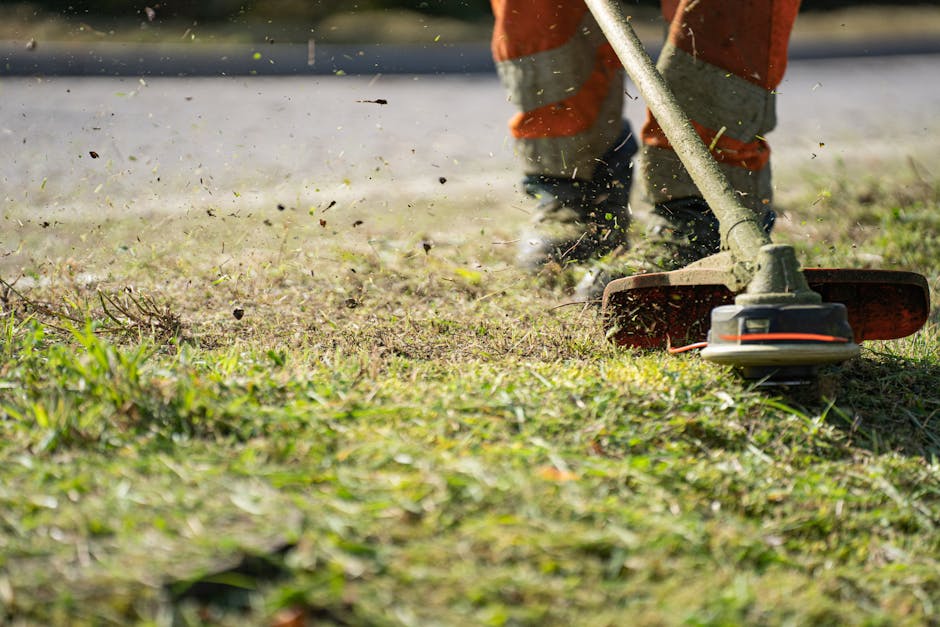
Chelsea gardeners same day emergency lawn repairs and delays: what to expect, what to do, and how to avoid a messy finish
If your lawn has been torn up by pets, football boots, a digger, a sudden leak, or just plain bad luck, you do not have time for a vague plan. You need clear answers, fast. That is exactly where Chelsea gardeners same day emergency lawn repairs and delays become relevant: they sit at the point where urgent garden damage meets real-world scheduling, access issues, and the realities of getting work done in busy parts of London.
In Chelsea, timing matters. A front garden that looks rough for a day or two can still affect kerb appeal, safety, and even neighbour relations. A back lawn that has been lifted by waterlogging or damaged during other works can get worse quickly if it is left alone. This article explains how emergency lawn repair usually works, what can slow it down, what quality looks like, and how to make sensible decisions when the clock is already ticking.
Think of this as the practical version, not the sales-pitch version. We will cover response times, turf repair options, delays, best practices, common mistakes, and the questions people often forget to ask until the last minute. And yes, sometimes the weather wins. Annoying, but true.
Table of Contents
- Why Chelsea gardeners same day emergency lawn repairs and delays matters
- How Chelsea gardeners same day emergency lawn repairs and delays works
- Key benefits and practical advantages
- Who this is for and when it makes sense
- Step-by-step guidance
- Expert tips for better results
- Common mistakes to avoid
- Tools, resources and recommendations
- Law, compliance, standards, or best practice
- Options, methods, or comparison table
- Case study or real-world example
- Practical checklist
- Conclusion
- Frequently asked questions
Why Chelsea gardeners same day emergency lawn repairs and delays Matters
A damaged lawn is not just a cosmetic issue. Once the top layer of turf is torn, compacted, scalped, or waterlogged, it can start deteriorating faster than most homeowners expect. In a place like Chelsea, where gardens are often compact, access is tighter, and people care about presentation, a delay of even a few days can make a repair more complicated.
Same day emergency lawn repairs matter because they can stop the problem spreading. A patch of lifted turf can dry out at the edges. A muddy area can get compacted by foot traffic. A broken irrigation line or persistent leak can keep feeding the damage. If repairs are left too long, a straightforward patch job can become a larger turf replacement or ground remediation job. Not ideal, obviously.
Delays matter for another reason: they shape expectations. Sometimes a gardener can attend quickly but cannot finish the full repair immediately because the lawn needs drying, the soil needs levelling, or the right materials are not on hand. Knowing that from the start helps you avoid frustration and make a better call.
For many households, the biggest value is peace of mind. You know the problem is being assessed properly rather than patched badly. That is a subtle difference, but it is the difference between a neat recovery and a lawn that looks patched together by next Thursday.
If the issue is part of a wider garden problem, it may also make sense to look at broader services such as garden maintenance or, if the space has become heavily overgrown or cluttered after damage, garden clearance. Those services can help create the conditions for a cleaner repair.
How Chelsea gardeners same day emergency lawn repairs and delays Works
The process usually starts with a quick assessment. A good gardener will want to know what happened, how much of the lawn is affected, whether the ground feels soft or firm, and whether the damage is localised or spreading. A smashed corner of turf near a gate is very different from a lawn that has been churned up by water or a building trade delivery.
Then comes triage. That is the sensible bit. Not every lawn issue needs full replacement. Sometimes the fix is simple: cutting back damaged edges, re-levelling the surface, patching with turf, reseeding, or improving drainage. Other times the gardener may advise a temporary stabilisation first, especially if the surface is too wet or the area is still being used.
Same day work is often possible when the job is small, access is straightforward, and the damage is visible and localised. Delays usually creep in because of one of these factors:
- the lawn is too wet to work on properly
- materials need to be sourced
- the site has poor access through the property
- the damage is larger than first described
- another contractor is still working on the garden
- weather conditions make turfing or levelling unreliable
That last one matters more than people think. If you lay turf onto soaked, uneven ground just to say the job was done same day, you may be creating a second repair. Nobody wants that. In our experience, a careful delay is often better than a rushed fix.
For scheduled upkeep once the emergency is handled, many customers benefit from lawn mowing to keep recovery growth even, plus a plan that supports ongoing garden maintenance. A repaired lawn usually needs a calmer few weeks, not constant disturbance.
Key Benefits and Practical Advantages
The main advantage of a same day emergency response is speed, but speed alone is not the full story. The better value is damage control. Once a lawn is assessed early, the gardener can often prevent the problem from becoming a broad, expensive eyesore.
- Less deterioration: damaged turf edges dry out and fray quickly, so fast attention can save more of the original lawn.
- Cleaner finish: patching when the area is fresh usually leads to a neater match and less visible repair lines.
- Safer access: muddy, uneven lawns can be slippery, especially near paths or steps.
- Better planning: you can decide whether the area needs a quick fix, a turf replacement, or a staged repair.
- Reduced disruption: a fast assessment can stop people walking over the worst part and making it worse.
There is also a commercial benefit if you are preparing a property for guests, viewings, or a tenant handover. A lawn that looks battered at the edge of the day can be surprisingly noticeable in the morning light. That sharp, slightly embarrassing look? Yes, that one.
If the issue is part of a larger landscaping refresh, it may be worth looking at landscaping or landscape gardening once the emergency is dealt with. Those are not emergency fixes, but they do help address recurring causes such as poor levels, drainage, or wear patterns.
Expert summary: same day repair is most valuable when it protects the lawn from getting worse, not when it tries to force a perfect finish in poor conditions. If a delay is necessary, a well-communicated delay is better than a rushed bodge. Simple as that.
Who This Is For and When It Makes Sense
This service makes sense for people dealing with sudden, visible lawn damage that needs prompt attention. It is especially useful if the garden is part of a front-facing property, a rental, or a home where the outside space gets regular use.
You may need it if:
- the lawn has been torn up by pets, contractors, or heavy foot traffic
- there is a muddy patch after a leak or sudden water issue
- a turf section has lifted or dried out at the edges
- you need the space presentable for visitors or an event
- the damage is spreading and you want to contain it quickly
- you are not sure whether the lawn needs patching or replacement
It also suits people who do not have the time, tools, or confidence to manage an urgent repair themselves. Turf repair looks simple from a distance. Up close, though, the detail matters: soil depth, levelling, moisture, compaction, edging, and aftercare. Miss one step and the result can look tired within days.
For households with broader garden clutter or storm aftermath, a service like services overview can help you see where lawn work sits alongside other tasks, such as hedge care, clearance, or tree work. And if the damage has been caused by fallen branches or overhanging growth, tree lopping and removal may be part of the wider fix.
Step-by-Step Guidance
Here is the most practical way to handle an emergency lawn repair without losing the plot.
- Stop further damage. Keep people, pets, and tools off the damaged area. If you can, mark the spot with a planter, a chair, or even a bucket. Not glamorous, but effective.
- Take a few photos. Before anything is touched, photograph the lawn from a few angles. This helps explain the scale of the issue and can be useful if another contractor caused the damage.
- Describe the problem clearly. Note whether the ground is muddy, sunken, torn, dry, or lifting. Mention whether drainage, irrigation, or recent works are involved.
- Ask about likely delays. A proper gardener should tell you if access, weather, material availability, or ground conditions may delay the repair.
- Choose the right repair method. Depending on the damage, this may be turf patching, partial replacement, topdressing, edging repair, or temporary stabilisation.
- Prepare the area. Move furniture, toys, planters, and anything that blocks access. In Chelsea gardens, tight access is often the hidden delay nobody mentioned at first.
- Check the aftercare plan. Ask when to water, when to avoid foot traffic, and when the first cut should happen. The repair is only half the job.
- Book follow-up maintenance if needed. If the lawn is recovering, gentle care may be better than another full intervention. Regular trimming, mowing, and maintenance can steady things.
A tiny real-world point: if the lawn is damaged at the back of the property and access is through the house, it is worth saying so early. A job that looks like a ten-minute patch can turn into a careful route-planning exercise, and yes, that can affect timing. People forget this all the time.
Expert Tips for Better Results
Good lawn repair is not just about the patch. It is about the conditions around the patch. That is where people either get a tidy result or a disappointing one.
Tip 1: Let the ground tell you what it needs. If the soil is sticky or soft, do not force the repair. A short delay can give a better base for turf or topsoil. If it feels springy or hollow, the issue may be compaction beneath the surface.
Tip 2: Match the repair to the season. In cooler or wetter periods, some methods work better than others. In warm, dry spells, watering matters more than people think. You do not want fresh turf drying out at the edges by tea time.
Tip 3: Keep the repair modest if the lawn is stressed. One over-large intervention can damage more than it helps. A neat partial repair often looks better than trying to replace half the lawn in one rushed go.
Tip 4: Ask what caused the damage, not just how to hide it. If the cause is still active, the fix will not last. Drainage issues, repeated vehicle access, poor mowing habits, or shade stress can all lead to recurring problems.
Tip 5: Don't ignore the edges. The edge of a patch is where your eye goes first. Clean cutting, level joins, and compacted soil at the boundary can make the whole job look professional.
And if you are comparing services, it helps to ask whether the provider can also support wider garden recovery. For example, a lawn repair may sit alongside hedge trimming or other light tidying if the garden needs to feel presentable again, not just functional.
Common Mistakes to Avoid
Emergency lawn jobs go wrong most often because people try to move too quickly or assume the job is smaller than it really is. Happens all the time.
- Ignoring the cause: if a pipe leak, drainage issue, or repeated traffic problem is still present, the lawn will fail again.
- Walking on wet repairs: even one or two passes can flatten a fresh patch and make the finish uneven.
- Choosing the wrong material: a turf patch that does not suit the existing lawn can stand out in colour or texture.
- Skipping levelling: if the base is uneven, the patch may sink, ripple, or hold water.
- Expecting instant perfection: a good repair improves quickly, but it still needs time to settle.
- Not asking about delays early: if you need same day work for a reason, say so clearly. Do not leave the urgency implicit and hope for the best.
One small but important point: don't be embarrassed if the garden is in a state. People ring about lawns after a muddy weekend, a burst pipe, or a building project gone sideways. It is normal. Really.
Tools, Resources and Recommendations
You do not need a shed full of equipment to understand or support a lawn repair, but a few basics help.
- A spade or edging knife: useful for defining the damaged area cleanly.
- Topsoil or levelling mix: helps create a stable base before turfing or reseeding.
- A rake: good for smoothing the surface and removing loose debris.
- A hose or watering can: essential if fresh turf needs gentle moisture.
- Protective boards or stepping stones: useful if access across the lawn cannot be avoided.
- Photos and notes: simple, but very useful when explaining the problem or tracking progress.
If you want a service that supports the whole garden rather than just the damaged patch, it can be sensible to combine emergency repair with follow-up care. Depending on the situation, lawn mowing and garden maintenance can keep the repaired area even and reduce stress on the lawn while it settles.
For properties where the lawn problem is part of a bigger outdoor improvement, the right next step may be a broader plan. A fresh lawn patch can be the start of a better layout, better drainage, or a smarter planting scheme. If that is where things are heading, landscape gardening may be worth exploring later, once the emergency has passed.
Law, Compliance, Standards, or Best Practice
For most homeowners, lawn repair is not heavily regulated in itself. Still, there are sensible standards and responsibilities worth keeping in mind, especially if the work involves access, machinery, waste, or any risk to people nearby.
Good practice usually includes:
- Clear communication about access: if workers need to pass through a home, you should know when and how that will happen.
- Safe handling of tools and materials: even simple garden work can involve trip hazards, sharp tools, and heavy bags of soil or turf.
- Responsible waste disposal: old turf, soil, and green waste should be managed properly.
- Insurance awareness: it is sensible to know whether the provider is covered for accidental damage and public liability.
- Honest timing expectations: same day work is often possible, but weather, access, and site condition may make a perfect same day finish unrealistic.
If you are comparing providers, a reliable sign is whether they explain delay risks plainly rather than promising miracles. A good company will usually give a realistic view of what can be completed today and what may need a second visit. That kind of honesty builds trust fast.
It is also worth looking at wider business policies where relevant. For example, insurance and safety, health and safety policy, and payment and security can help you understand how a provider handles risk and customer care. If you want background on who you are dealing with, about us is usually worth a look too.
Options, Methods, or Comparison Table
Not every damaged lawn needs the same solution. The best method depends on how urgent the issue is, how much of the lawn is affected, and what the ground is doing underneath. Here is a straightforward comparison.
| Method | Best for | Strengths | Limitations |
|---|---|---|---|
| Spot turf patching | Small, localised damage | Fast visual improvement, tidy finish | Needs good matching and a stable base |
| Partial turf replacement | Moderate damage or thin, worn sections | More uniform result than patching | Takes longer and may need aftercare |
| Topdressing and levelling | Uneven or slightly sunken areas | Improves surface and drainage behaviour | Slower visual payoff |
| Overseeding | Thin lawns with lighter damage | Cost-effective and less invasive | Not ideal for urgent presentation deadlines |
| Temporary stabilisation | Wet, unstable, or active problem sites | Prevents further decline while planning next step | Not a final cosmetic fix |
In plain English: if the lawn needs to look decent by this evening, turf patching is often the most direct route. If the problem is deeper, a short delay plus a better structural fix may be smarter. That balance matters a lot. A rushed cosmetic win can become next week's headache.
Case Study or Real-World Example
Imagine a Chelsea townhouse garden where a corner of lawn has been damaged during access for exterior maintenance. The turf is torn, the soil is compacted, and one patch has started to hold water. The owner needs the space presentable within a day or two because family are visiting and the garden is visible from the kitchen.
A same day visit begins with a quick inspection. The gardener confirms the damage is localised but says the area is too soft to repair properly without some drying time. Instead of forcing a full finish immediately, they clear loose debris, cut back damaged edges, improve the base, and return with the right turf once the ground has settled. The owner is told exactly why the delay is needed and what will happen next.
The result is not magic. There is still a brief period where the repaired patch looks like work-in-progress. But within a short time, the lawn looks level and coherent again, and-crucially-the repair lasts because the base was respected. That is the part people rarely see from the outside.
Now, if the same garden had also suffered from overgrown side access or blocked movement, a cleaner outcome could have come from pairing the repair with garden clearance or a small programme of hedge trimming. Sometimes the lawn is only half the problem; access and light are the hidden half.
Practical Checklist
Use this before you book or before the gardener arrives.
- Identify the damaged area clearly.
- Take photos before anything changes.
- Check whether the ground is wet, soft, or compacted.
- Confirm how urgent the repair really is.
- Tell the gardener about access issues through the house or side passage.
- Ask whether same day repair is realistic or whether a staged approach is better.
- Find out what materials may be needed.
- Ask how long the area should be left undisturbed afterwards.
- Check whether the repair needs follow-up mowing, watering, or levelling.
- Keep pets, children, and heavy foot traffic away from the work area.
Key takeaway: the best emergency repair is not always the fastest one. It is the one that solves the visible problem without creating a new one underneath.
If you are ready to compare options or talk through a repair plan, the next sensible step is to review the provider's service range and get clear on the likely timing. For broader help, services overview and pricing and quotes can be useful starting points before you decide.
Conclusion
Chelsea gardeners same day emergency lawn repairs and delays are really about two things at once: speed and judgement. You want a quick response, of course, but you also want someone who can tell the difference between a patch that can be fixed now and a patch that needs a little patience. That distinction saves money, preserves the lawn, and usually gives you a cleaner finish.
If your lawn has been damaged suddenly, do the simple things first: stop traffic, document the damage, and get a clear view of what is actually needed. Then ask the questions that matter. What is the repair method? What might delay it? What will the lawn need after the work? The answers are often more useful than a promise of instant perfection.
Get a free quote today and see how much you can save.
And if the garden feels like one more thing on a very long list, fair enough. Start with the patch that matters most, get the timing right, and let the rest settle from there. A good lawn repair can quietly change how the whole garden feels. That little bit of calm goes a long way.
Frequently Asked Questions
Can Chelsea gardeners really do same day emergency lawn repairs?
Often, yes, but it depends on the size of the damage, access, weather, and whether the right materials are available. Smaller, localised repairs are the easiest to complete on the same day.
What kind of lawn damage counts as an emergency?
Damage that is spreading, unsafe, very visible, or likely to get worse quickly is usually treated as urgent. Examples include lifted turf, severe mud, recent water damage, or areas that have been churned up by traffic.
Why do some lawn repairs get delayed?
Delays usually happen because the ground is too wet, the site is hard to access, materials need sourcing, or the damage is bigger than first described. Weather is a common reason too, especially if turfing would not hold properly.
Is patching better than replacing the whole lawn?
For localised damage, patching is usually more practical and less disruptive. Full replacement is better when the lawn is widely damaged, uneven, or in poor condition across most of the surface.
How long should fresh turf be left before walking on it?
That depends on the conditions and the repair method, but fresh turf generally needs time to root and settle. A gardener should give you a clear aftercare window based on the specific job.
Can a lawn be repaired if the soil is very wet?
Sometimes, but not always on the same day. If the ground is saturated, a gardener may recommend temporary stabilisation first and then return once conditions improve. That usually gives a better result than rushing.
What should I tell the gardener before they arrive?
Explain what happened, when it happened, how big the damaged area is, whether the ground is wet or soft, and whether access is straightforward. Photos help a lot, especially if the damage is awkward to describe.
How do I know if I need lawn repair or garden maintenance?
If the issue is sudden and specific, emergency repair is the right place to start. If the lawn is stressed because the whole garden has been neglected, then broader garden maintenance may be needed after the repair.
Will the repaired area match the rest of the lawn?
Usually it can be matched reasonably well, but the result depends on the turf type, season, and condition of the existing lawn. A careful repair should blend in over time rather than stand out awkwardly.
What if the damage was caused by another contractor?
Take photos before any repair work starts and make a note of dates, access, and what happened. That gives you a clear record. You can then discuss the repair and the cause separately, which is much easier than trying to reconstruct it later.
Do I need to prepare anything before the gardener comes?
Yes. Clear furniture, toys, and loose items from the area if you can, and make sure the route to the lawn is accessible. A few minutes of prep can save a surprising amount of delay.
Are same day lawn repairs always the best option?
Not always. Same day is ideal when the damage is manageable and conditions are good. If the ground is unstable or the problem is still active, a short delay may produce a better, longer-lasting repair.